
Reservoirs
Built for durability. Designed for South Africa.
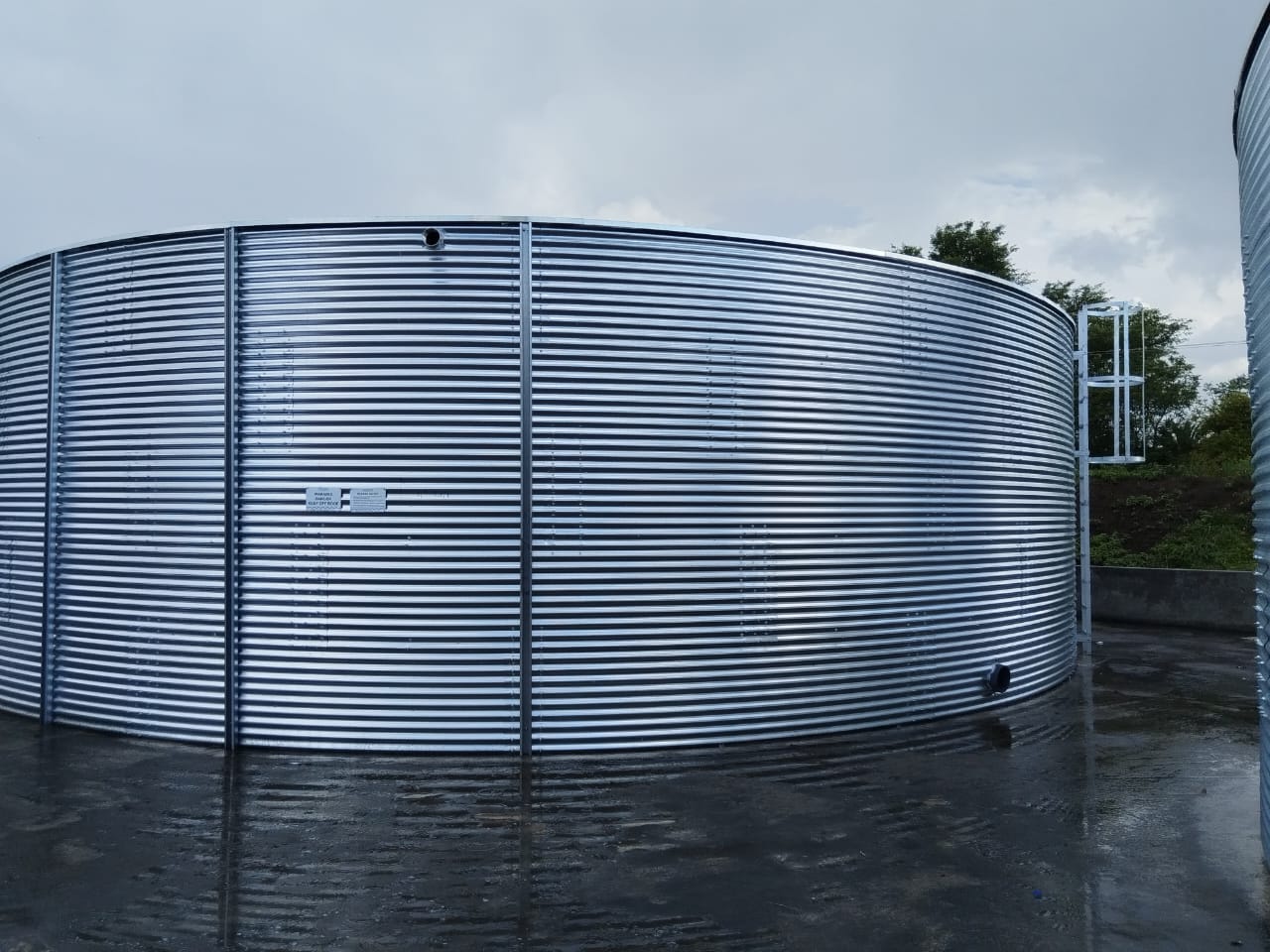
At RainQueen, we design and manufacture corrugated steel reservoirs that are engineered to perform in tough conditions — from farms and estates to industrial and municipal applications. All components are locally made and selected for reliability, low maintenance and durability.
This page outlines the core elements that make up a RainQueen reservoir from the steel we use, to the liner, roof, and cover options available. Whatever your water storage requirements, you'll find a specification that meets your needs.
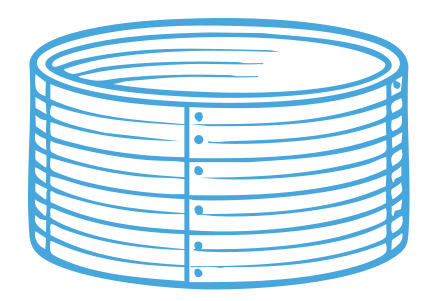
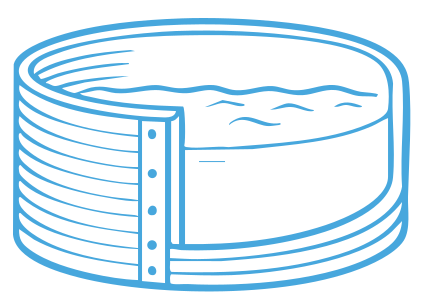
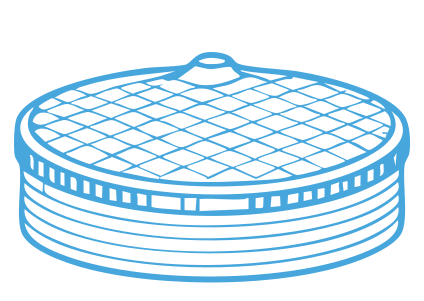

Corrugated Steel Rings
(Steel Wall Panels)
Why We Use Galvanised Corrugated Steel
Choosing the correct steel is critical to the long-term performance, durability, and quality of a reservoir. At RainQueen we have selected materials based on research, real-world operating conditions, and best practices from leading international tank manufacturers.
We believe galvanised steel is the most suitable material for reservoir walls and is therefore our standard offering.
However, we understand that every project is unique. On request, we can also supply reservoirs manufactured from Zincalume or Chromadek, depending on customer preference or specific site requirements.
Why We Prefer Galvanised Steel for Reservoir Walls
Our research, supported by findings from leading Australian tank manufacturers, shows that galvanised steel performs better than Zincalume in environments where the steel cannot ‘breathe’.
When a reservoir is full, the liner is pressed firmly against the steel wall. This traps condensation between the liner and the steel, creating a micro-environment that is permanently moist and oxygen-deprived.
In these conditions:
- Galvanised steel continues to offer effective corrosion protection through its zinc coating
- Zincalume, however, relies on exposure to air to form stable oxide films that inhibit corrosion
Without sufficient airflow, Zincalume cannot properly form these protective layers, making it less suitable for reservoir wall applications.
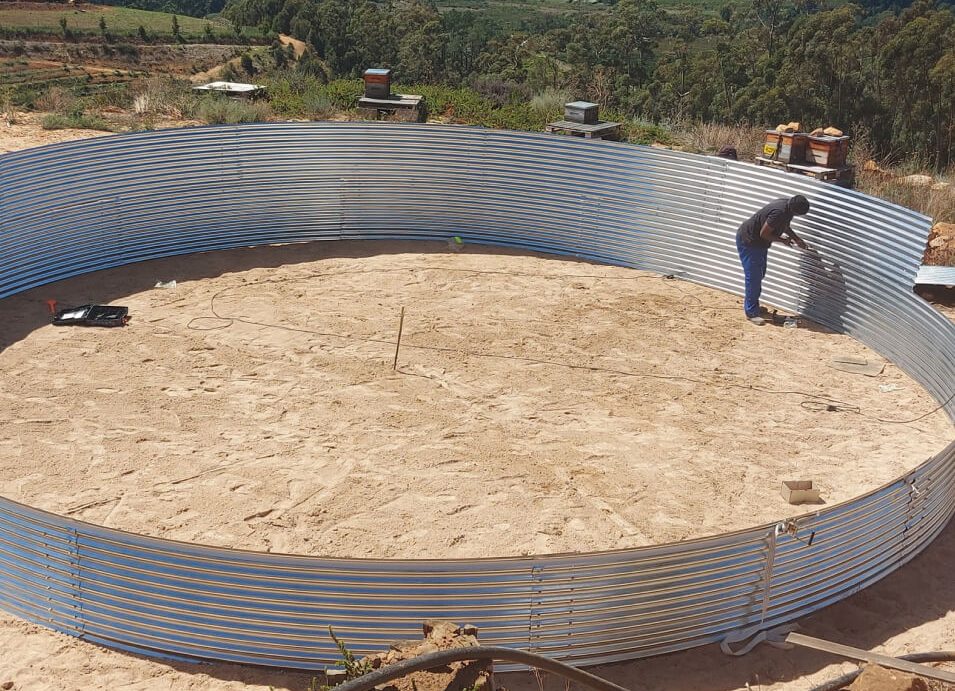
-

Zincalume vs Galvanised Steel
- Most Zincalume used in South Africa contains approximately 150 g/m² of zinc/aluminium coating
- Our standard galvanised steel uses 275 g/m² of zinc, with the option to upgrade to Z450 where required
This higher zinc content provides superior corrosion resistance in the specific conditions found inside lined reservoirs.
-
Understanding Galvanising
Galvanising is measured in grams per square metre (g/m²) and refers to the total zinc coating applied to both sides of the steel sheet.
- Z275 galvanising = 275 g/m² (137.5 g/m² per side)
- Z450 galvanising = 450 g/m² (heavier, stronger, longer life)
The heavier the zinc coating, the greater the level of corrosion protection and the longer the expected service life of the steel.
-
Our Standard Specification
- Material: Galvanised corrugated steel
- Coating: Z275 galvanising
- Thickness: 0.8 mm
This specification provides an excellent balance of strength, corrosion resistance, and cost-effectiveness for the majority of installations.
-
Z450 Galvanising for Corrosive Environments
For more aggressive environments such as coastal regions, areas with acid rain, high humidity, or industrial exposure we strongly recommend upgrading to Z450 galvanising.
We recognise that there are differing opinions within the industry regarding steel selection. If you have a preference for Zincalume reservoir walls, we will do our best to accommodate your requirements and supply a solution that meets your expectations.
Local Supply Commitment
All steel used in RainQueen reservoirs is sourced from South African steel mills, ensuring consistent quality, local support, and reliable supply.

Reservoir Liners
The liner is a critical component of our reservoirs as it contains the water within the corrugated steel ring. At RainQueen, we use high-quality PVC material (manufactured locally) that is designed for durability, flexibility, and long-term performance across a wide range of applications.
In addition we manufacture our own liners at the RainQueen factory in Johannesburg. This gives us full control over the manufacturing process and allows us to customise liners to meet our customers' specific requirements. It also means there are no third-party delays or complications.

Selecting the Correct Liner
The appropriate liner grade depends on factors such as:
Our team is available to assist in selecting the most suitable liner specification for your specific application, ensuring optimal performance and service life from your RainQueen Reservoir.
Liner Construction and Specifications
All our liners are manufactured using a multi-layer reinforced PVC construction, consisting of:
- Two layers of PVC (a base layer and a top layer)
- A centrally embedded polyester woven textile reinforcement
This composite structure provides excellent tensile strength, tear resistance, and dimensional stability, while maintaining the flexibility required for reservoir installation and operation.
Liner grades are specified using two key measurements:
- Weight (grams per square metre – g/m²): Refers to the mass of the liner material per square metre
- Thickness (millimetres – mm): Indicates the overall thickness of the liner
In general, a higher gram rating and thickness provide increased strength, durability, and resistance to abrasion or aggressive conditions.
Available Liner Options

Roofing Options
Corrugated Steel Roof
Our corrugated steel reservoir roofs are slightly domed to allow effective water run-off and added structural strength.
POINTS TO NOTE
Why We Use Zincalume for Reservoir Roofs
Reservoir roofs are fully exposed to air and weather, allowing Zincalume to breathe and form its stable oxide layers as intended. In this application, Zincalume performs exceptionally well and offers excellent durability and longevity.
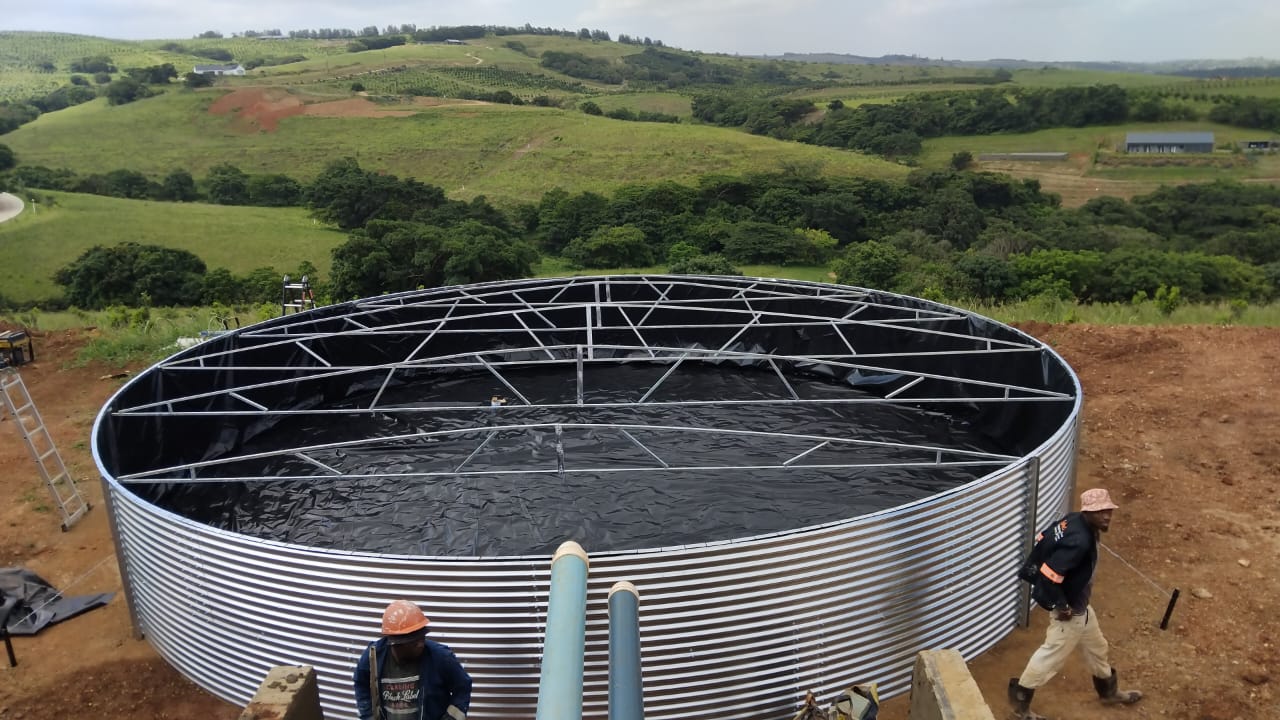
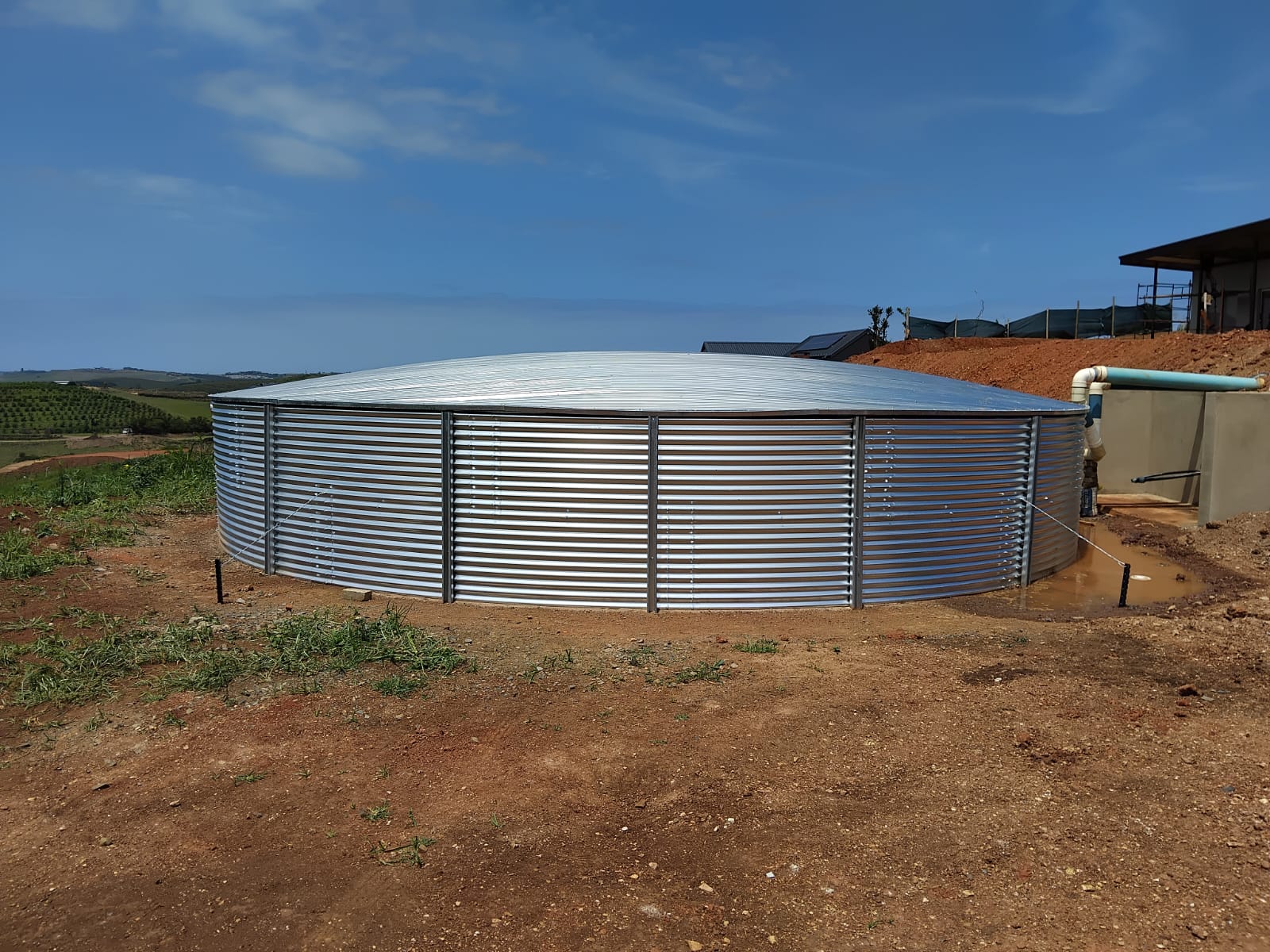
Components:
-
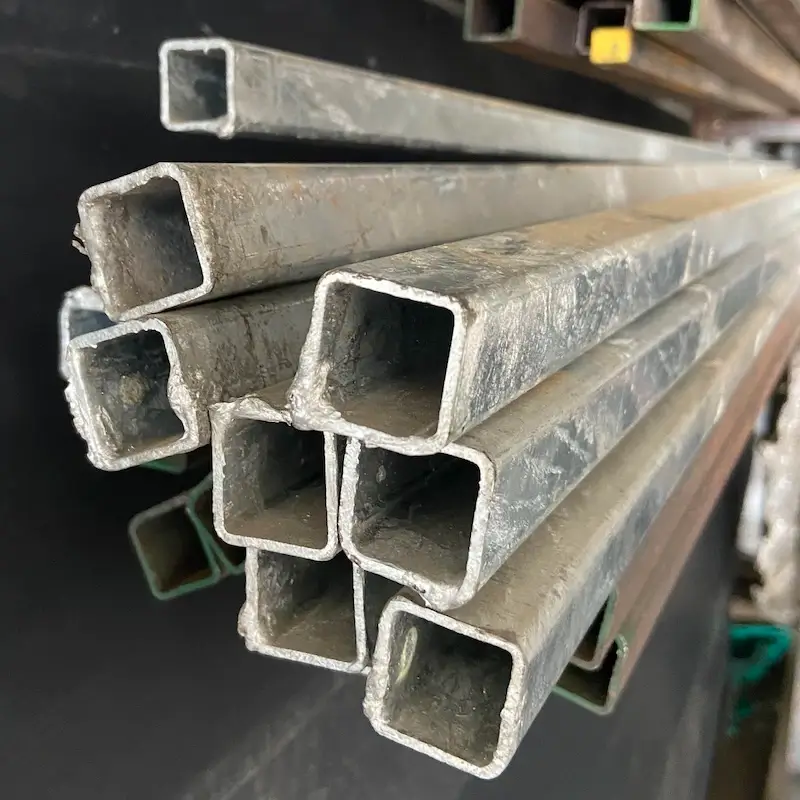
1. Galvanised Square Tube Trusses
- Square tube trusses with cross bracing are manufactured in-house, welded, and fully galvanised.
- The number of trusses and the dome height depend on the diameter of the reservoir.
- Trusses are secured to the corrugated steel wall using steel brackets.
-
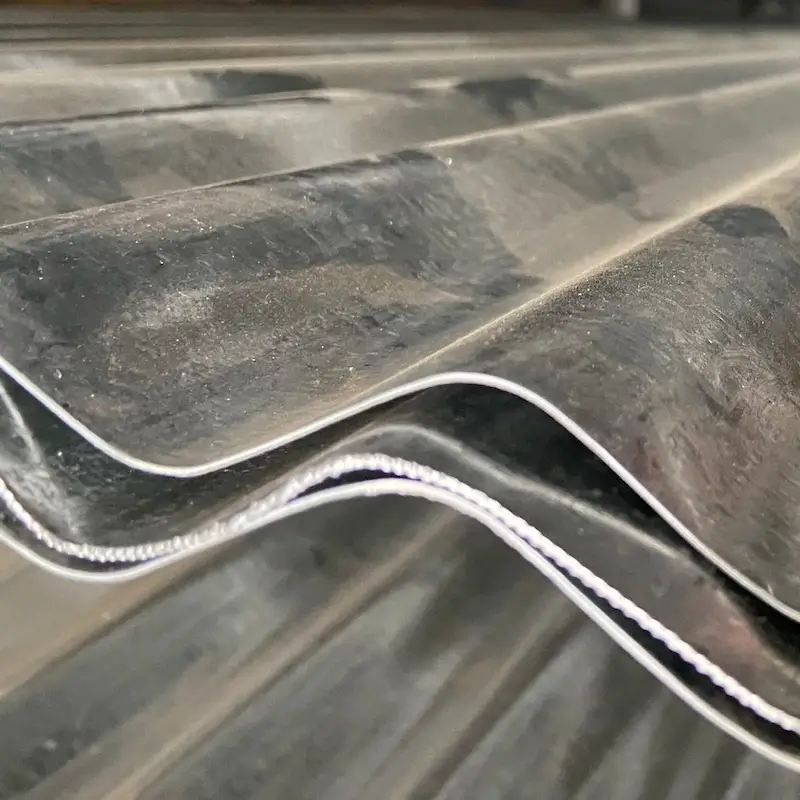
2. Corrugated Steel Roof Sheets
- Roofs are constructed using 0.47mm thick corrugated steel sheets.
- Zincalume is commonly used due to its lighter weight, although galvanised steel is available on request.
- Sheets are installed perpendicular to the trusses.
-
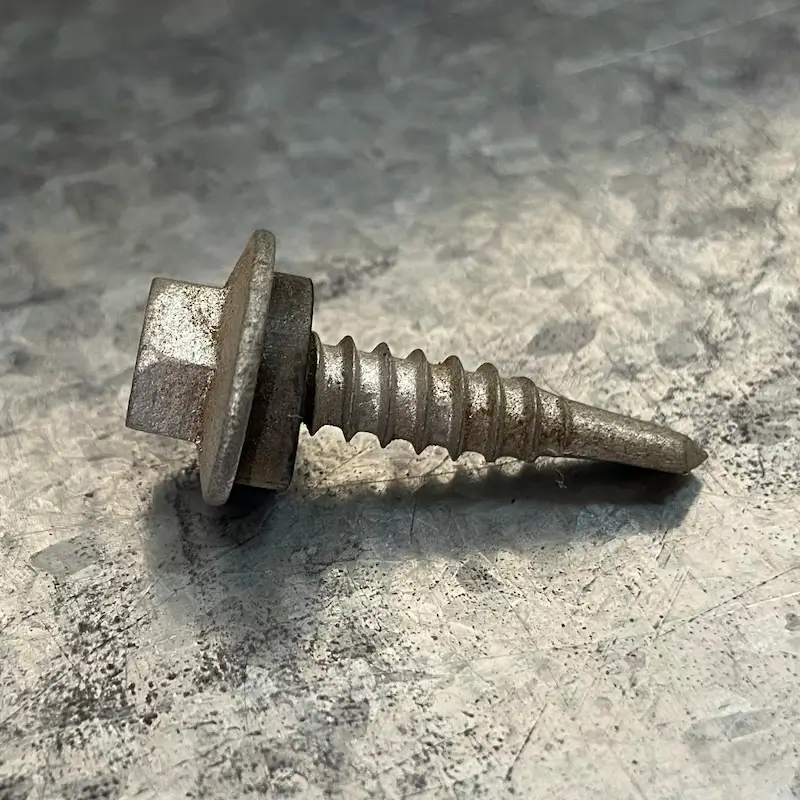
3. Galvanised Self-Drilling Roof Screws
Roof sheets are fastened to the trusses using galvanised self-drilling roof screws.
-
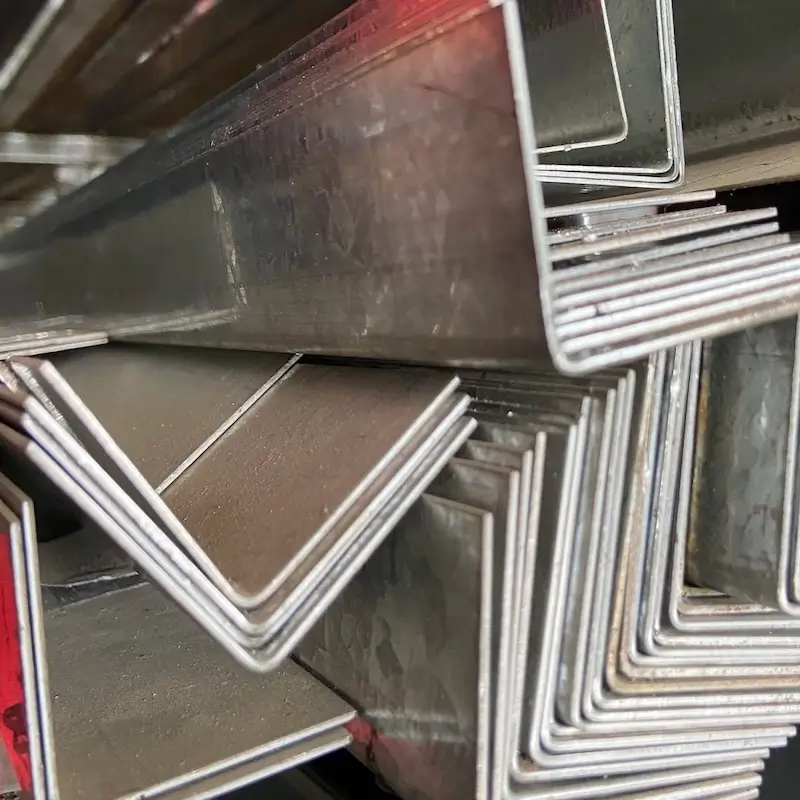
4. Galvanised Sheet Metal Angles
Galvanised angles are fitted around the perimeter of the reservoir to:
- Secure the liner
- Provide a fixing surface for the roof sheets
Additional galvanised angles are used to edge roof sheets for safety, covering sharp edges.
-
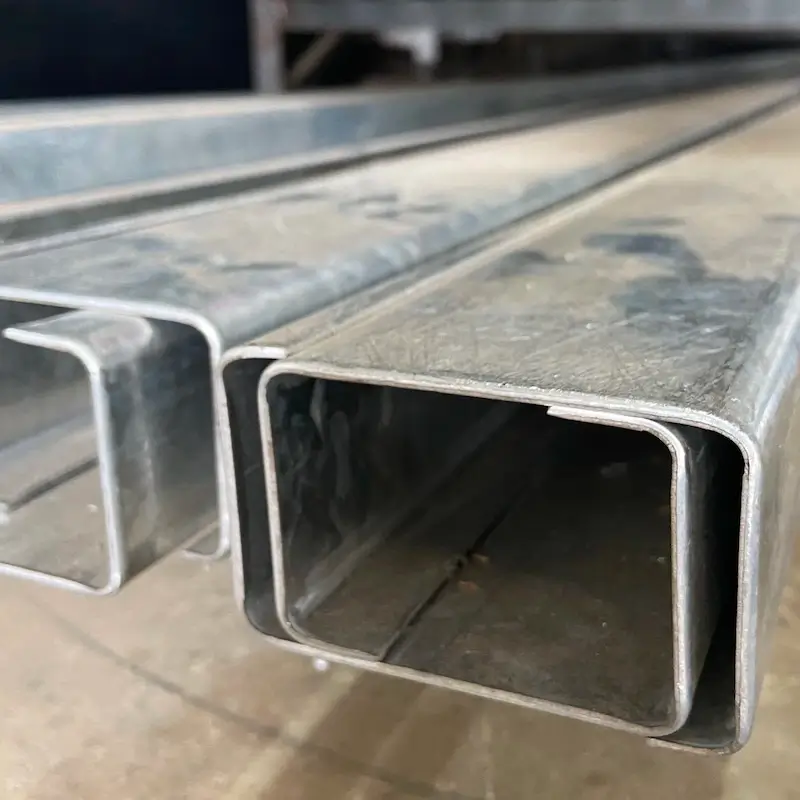
5. Support Legs
Galvanised lip-channel support legs are only used on reservoirs that have corrugated roofs. A lip channel leg is bolted on the outside of the reservoir beneath each truss end.
-
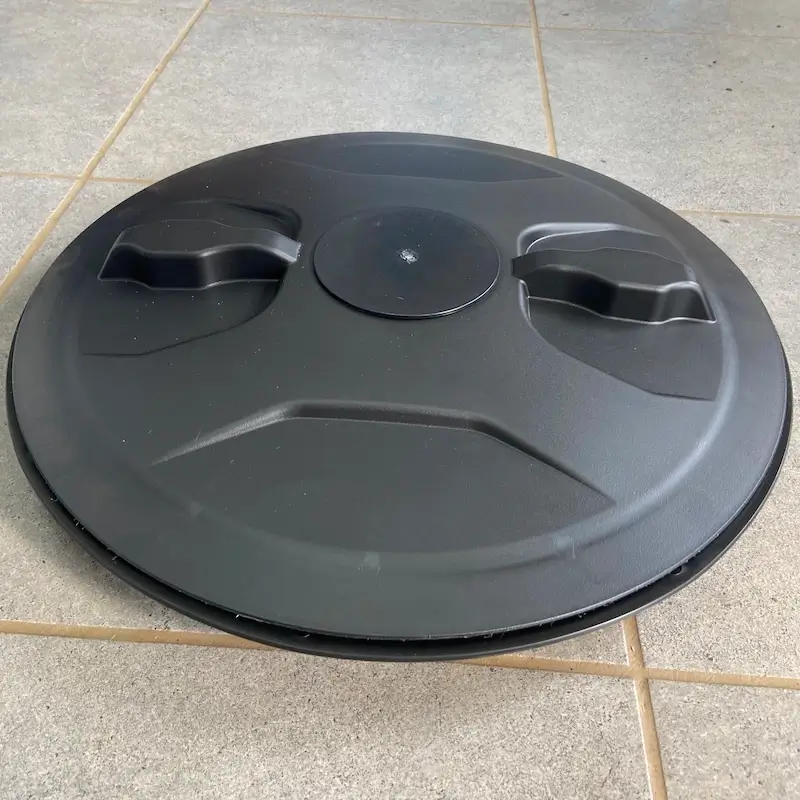
6. Manhole
Either a 400mm round plastic manhole or a 500mm square steel manhole is installed near the edge of the roof for access. Manhole type is dictated by the size of your reservoir.
-
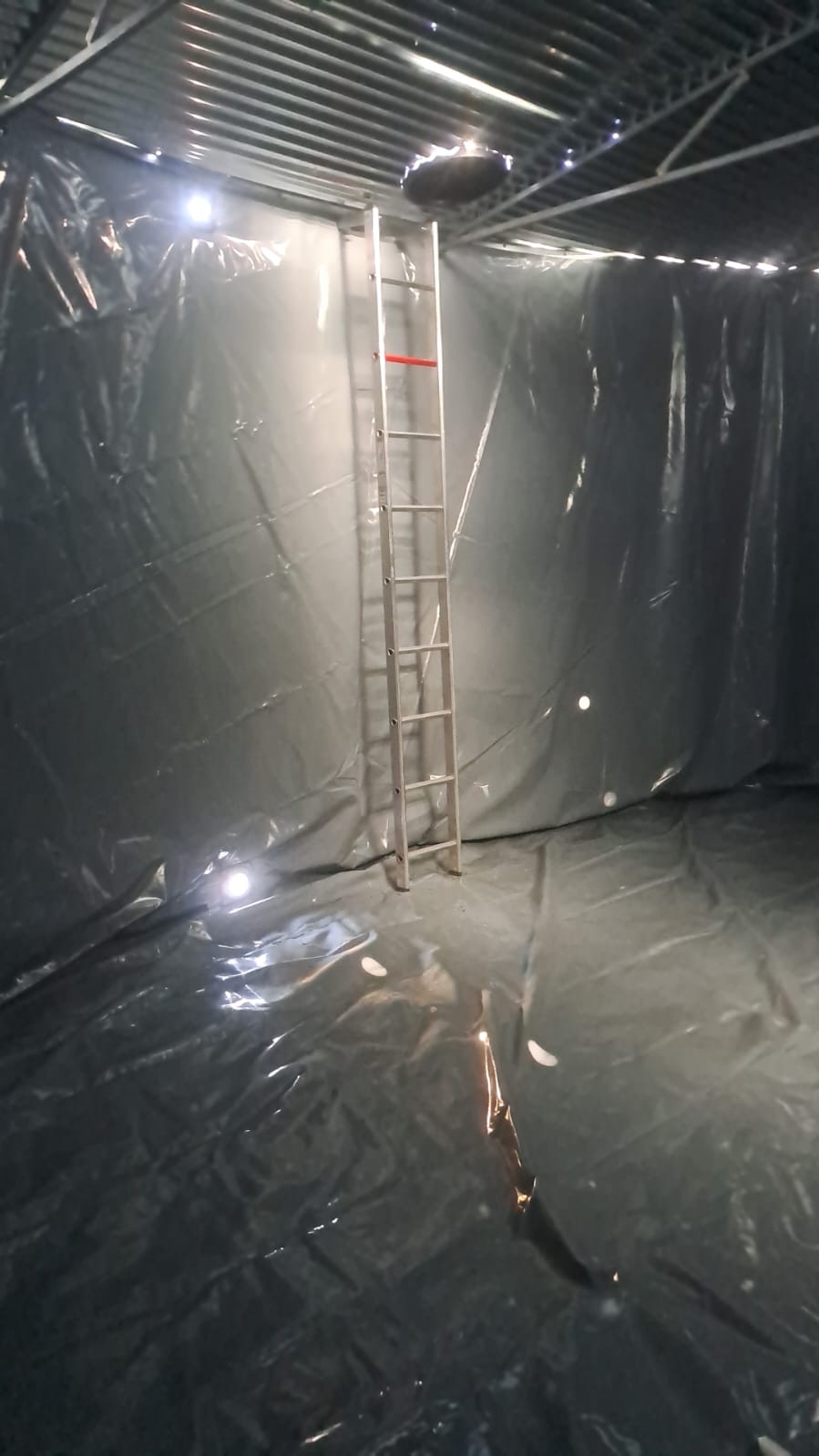
7.1 Ladders - internal
Aluminium ladders can be fitted on the inside of your reservoir to allow for easy access (especially with reservoirs greater than 2.2m high)
-
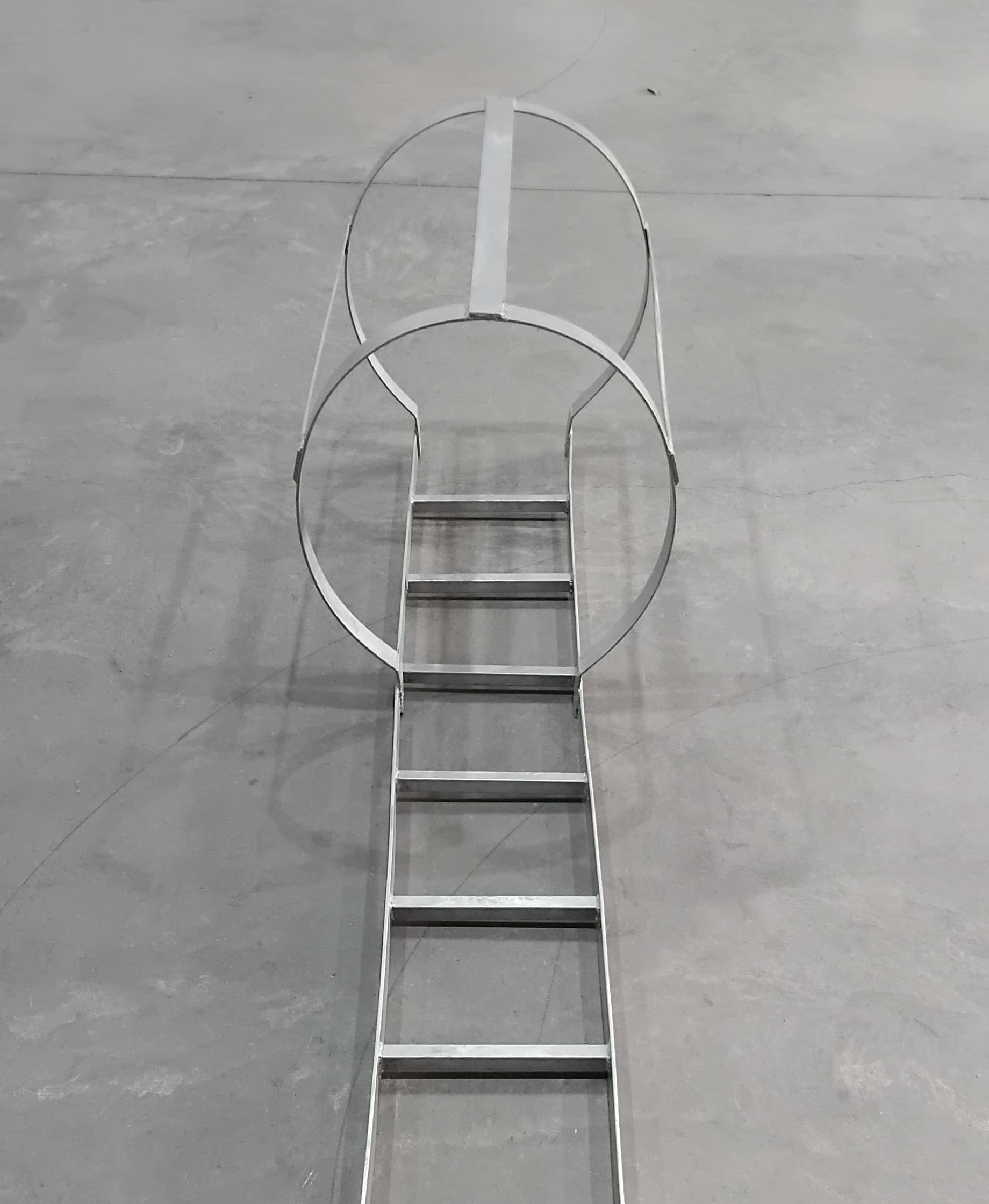
7.2 Ladders - external
Galvanised safety ladders can be fitted to the outside of our reservoirs (especially useful with reservoirs over 2.2m high)
-
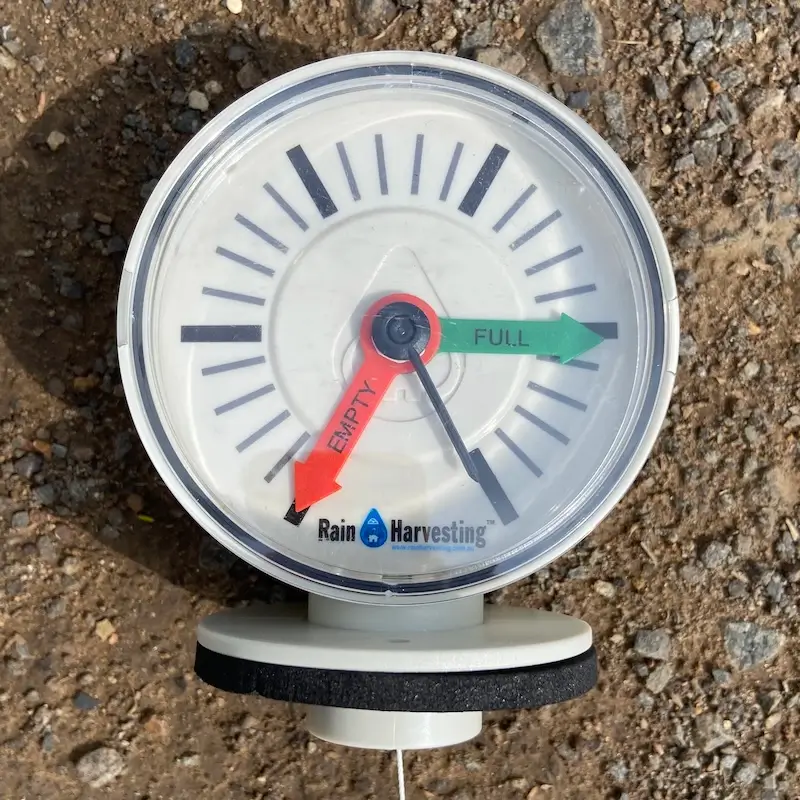
8. Level Indicators
Manual water level indicators can be installed to show the internal water level of the reservoir.
-
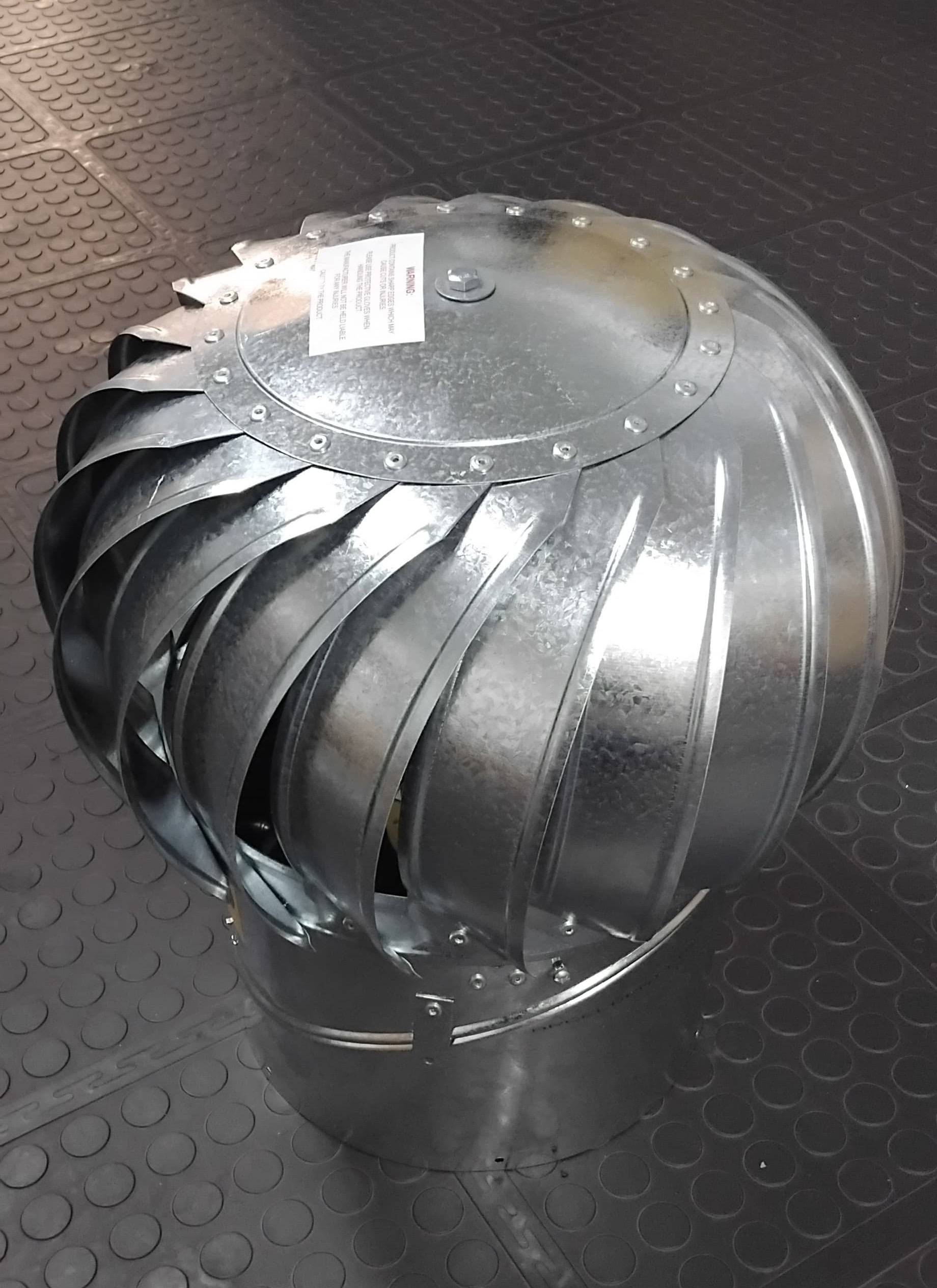
9. Turbine Extractor
Turbine extractors can be fitted on a corrugated roof to assist with dissipating any condensation that will build it.
95% Shade Cloth Covers
We manufacture reservoir roof covers using 95% black shade cloth, designed to provide effective protection while remaining lightweight and cost-effective.
ADVANTAGES OF 95% SHADE CLOTH COVERS
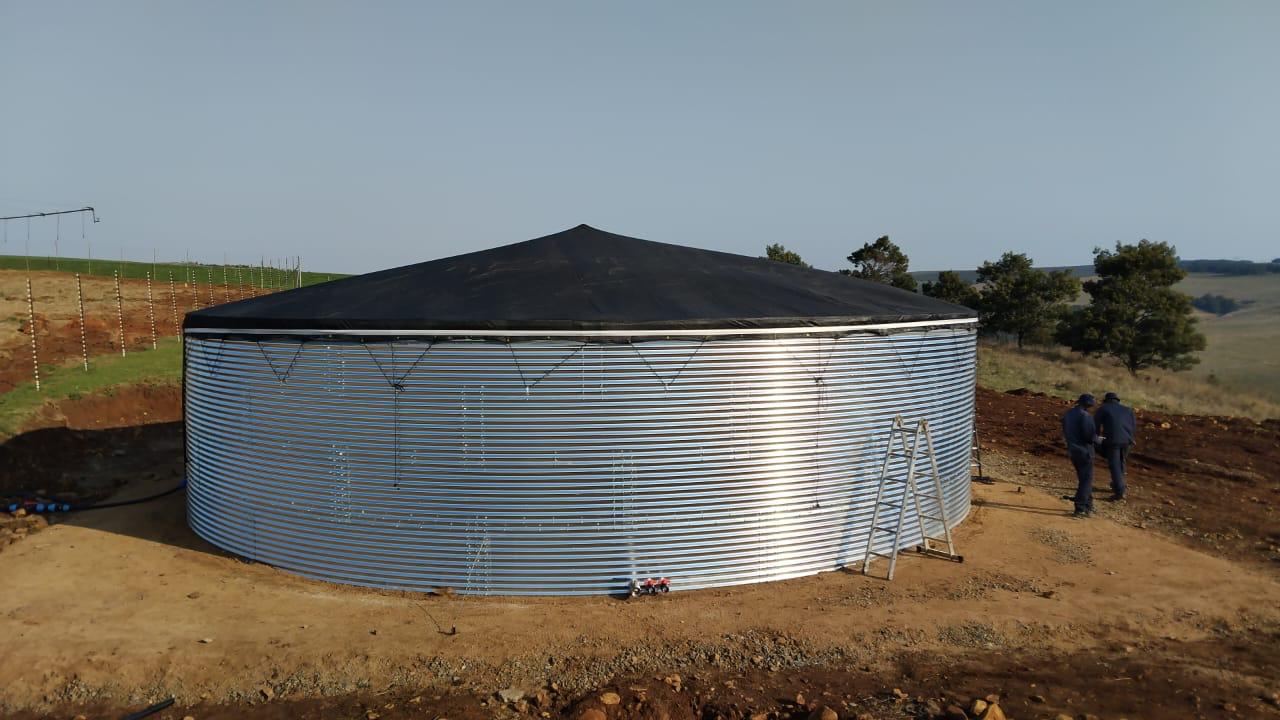
Construction & Components:
-
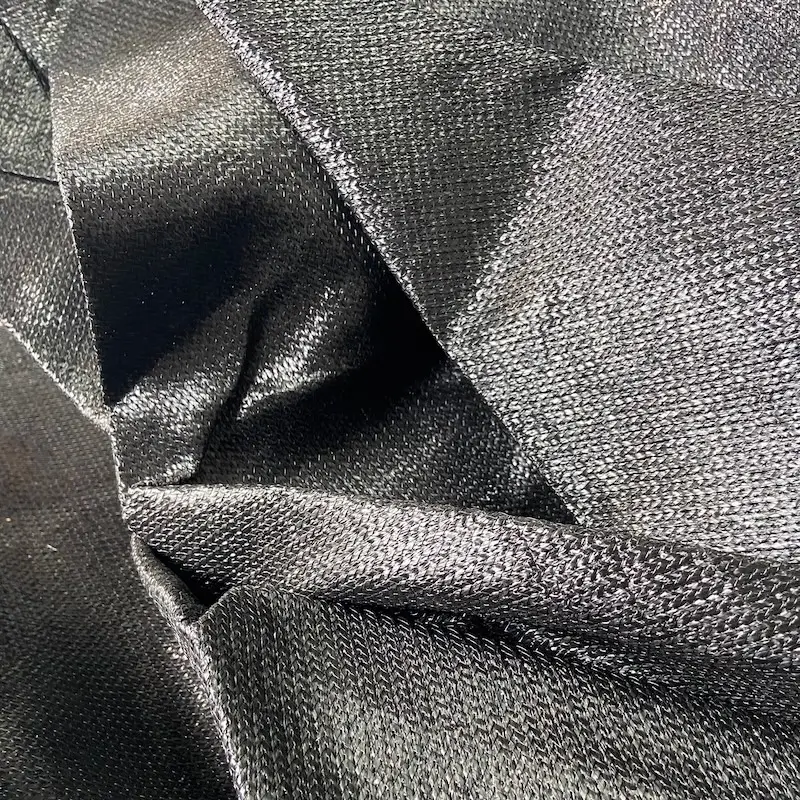
Shade Cloth
95% black shade cloth material.
-
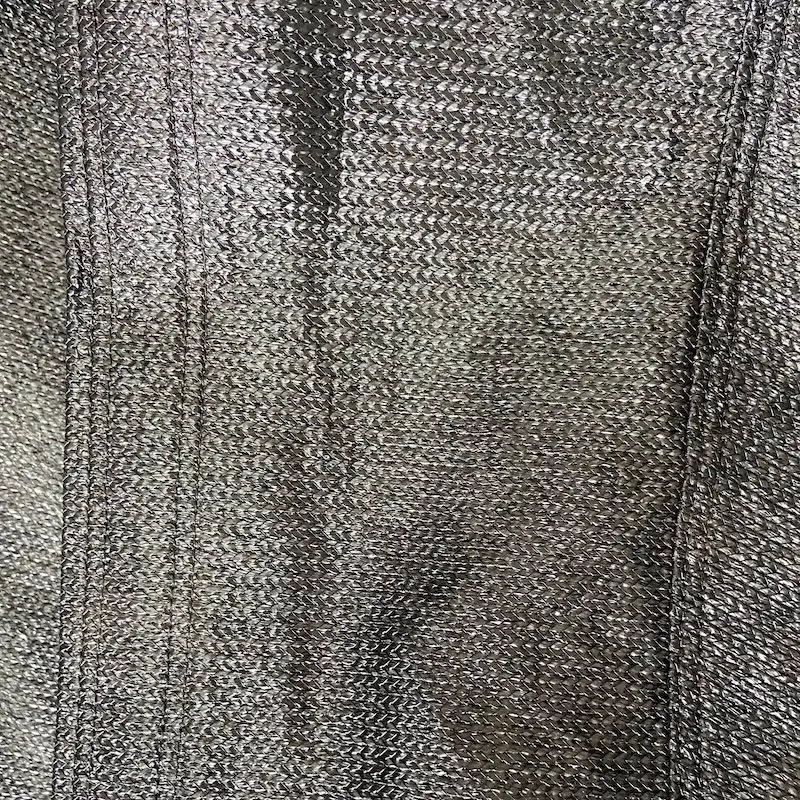
Edging
The perimeter of the shade cloth is hemmed with durable black seatbelt webbing for added strength.
-
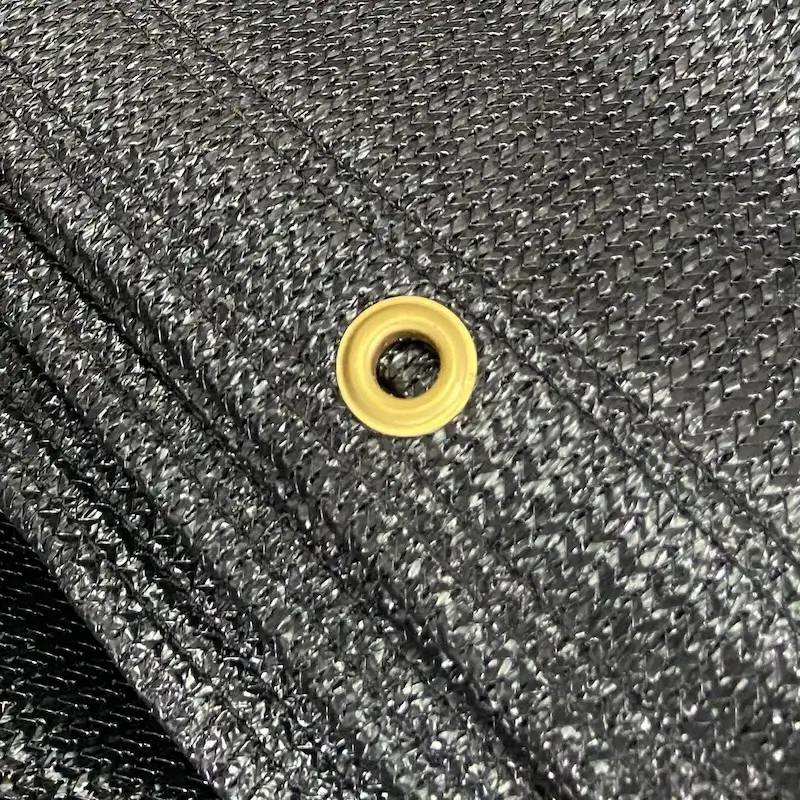
Eyelets
Brass eyelets are punched through the shade cloth and webbing at 300mm intervals.
-
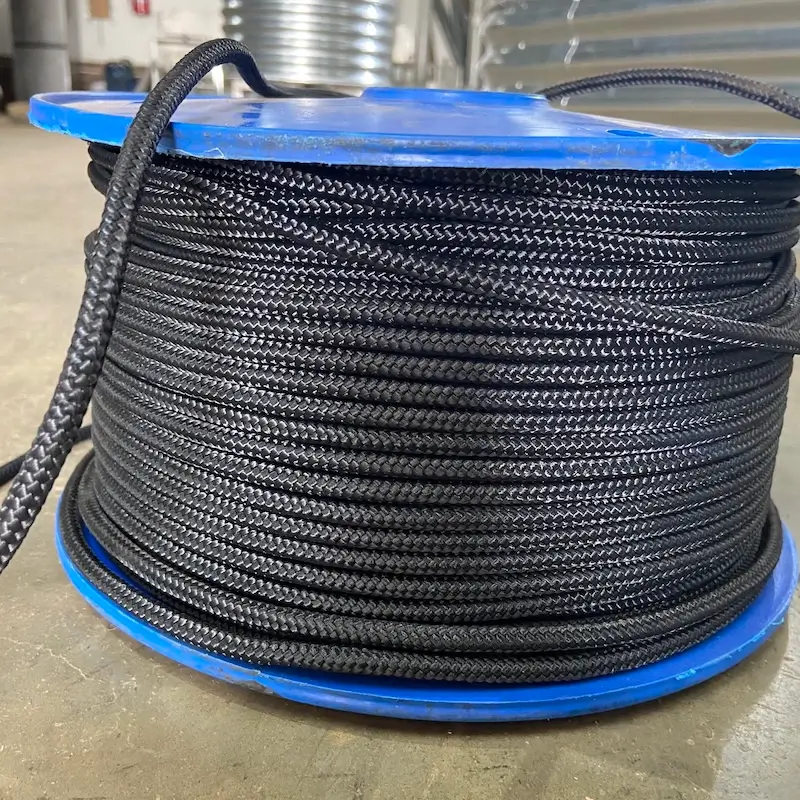
Rope
A 6mm black polyester braided rope is used. This rope is UV-resistant and feeds easily through the eyelets.
-
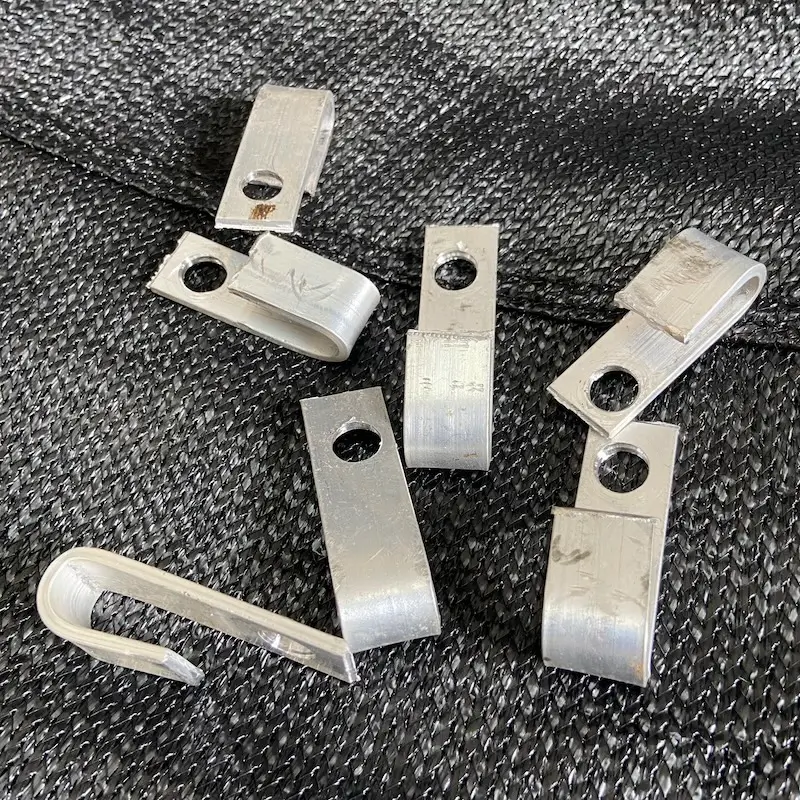
Rope Hooks
Aluminium flat-bar hooks are fitted to the 10mm bolts securing the corrugated steel wall sheets. Hooks are positioned approximately every 500mm, with the rope woven between eyelets and hooks.
-
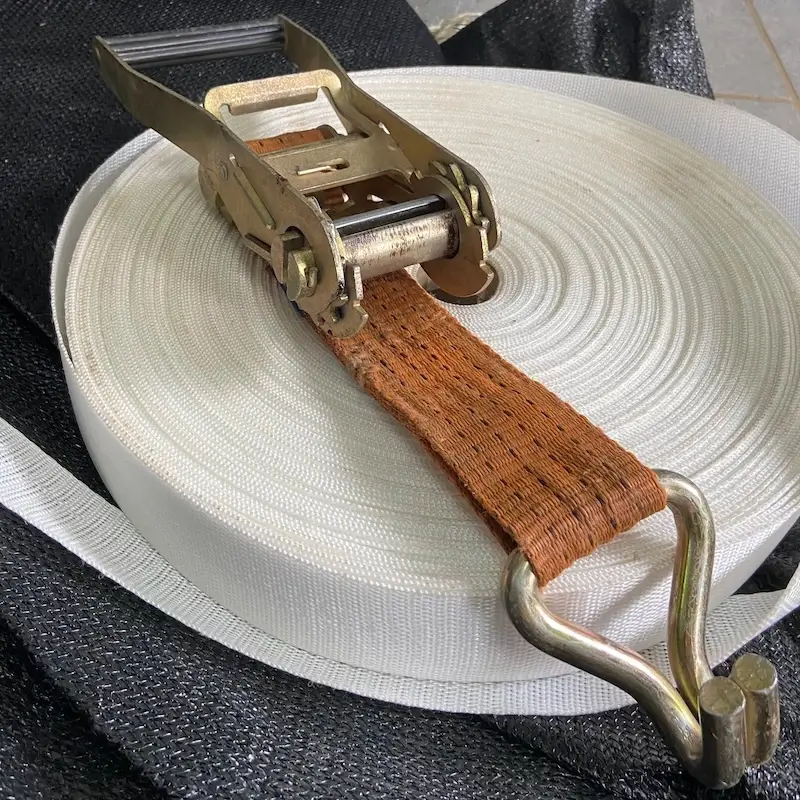
Cargo Strap
For additional security and to prevent wind uplift, a 50mm cargo strap is installed near the top of the reservoir and tensioned using a ratchet.
-
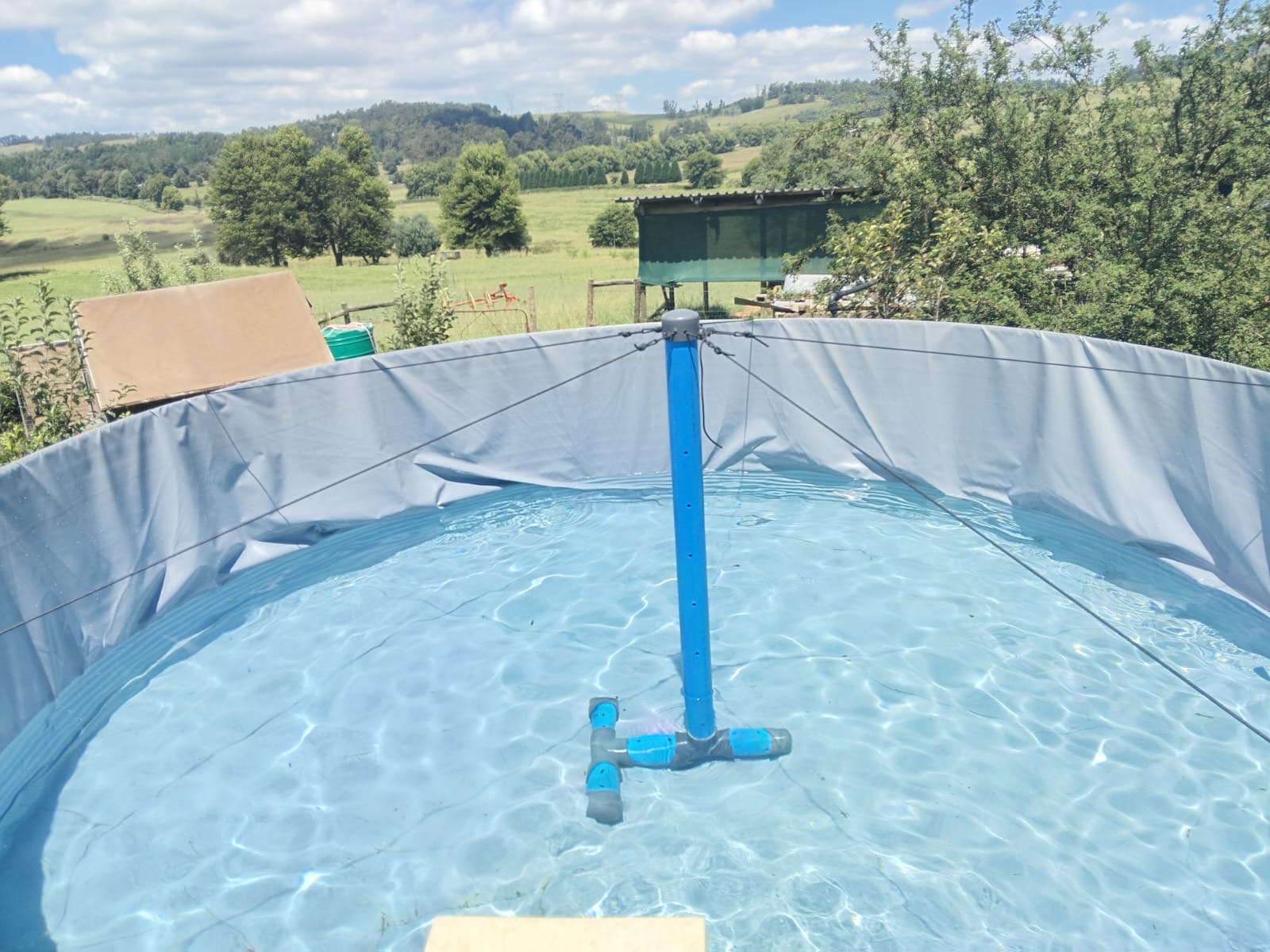
Central Support Pole
For reservoirs with diameters greater than 5m, a 110mm PVC central pole is installed. The pole extends approximately 400mm above the reservoir wall to promote water run-off.
Product List
 = Recommended,
  = Not Recommended
| LINERS | STEEL | COVER / ROOF | ||||||||
|---|---|---|---|---|---|---|---|---|---|---|
| Diameter | Height | Volume | 550 | 720 | 850 | 1000 | Z275 | Z45 | 95% SHADE | CORRUGATED |
| 3 | 1.5 | 10 000 l | ✔ | ✔ | ✔ | ✔ | ✔ | ✔ | ✔ | ✔ |
| 4 | 1.5 | 19 000 l | ✔ | ✔ | ✔ | ✔ | ✔ | ✔ | ✔ | ✔ |
| 5 | 1.5 | 30 000 l | ✔ | ✔ | ✔ | ✔ | ✔ | ✔ | ✔ | ✔ |
| 6 | 1.5 | 43 000 l | ✔ | ✔ | ✔ | ✔ | ✔ | ✔ | ✔ | ✔ |
| 7 | 1.5 | 59 000 l | ✔ | ✔ | ✔ | ✔ | ✔ | ✔ | ✔ | ✔ |
| 8 | 1.5 | 77 000 l | ✔ | ✔ | ✔ | ✔ | ✔ | ✔ | ✔ | ✔ |
| 9 | 1.5 | 98 000 l | ✔ | ✔ | ✔ | ✔ | ✔ | ✔ | ✔ | ✔ |
| 10 | 1.5 | 121 000 l | ✔ | ✔ | ✔ | ✔ | ✔ | ✔ | ✔ | ✔ |
| 11 | 1.5 | 135 000 l | ✔ | ✔ | ✔ | ✔ | ✔ | ✔ | ✔ | ✔ |
| 12 | 1.5 | 160 000 l | ✔ | ✔ | ✔ | ✔ | ✔ | ✔ | ✔ | ✔ |
| 2 | 2.2 | 6 750 l | ✔ | ✔ | ✔ | ✔ | ✔ | ✔ | ✔ | ✔ |
| 3 | 2.2 | 15 000 l | ✔ | ✔ | ✔ | ✔ | ✔ | ✔ | ✔ | ✔ |
| 4 | 2.2 | 27 000 l | ✔ | ✔ | ✔ | ✔ | ✔ | ✔ | ✔ | ✔ |
| 5 | 2.2 | 42 000 l | ✔ | ✔ | ✔ | ✔ | ✔ | ✔ | ✔ | ✔ |
| 6 | 2.2 | 61 000 l | ✔ | ✔ | ✔ | ✔ | ✔ | ✔ | ✔ | ✔ |
| 7 | 2.2 | 83 000 l | ✔ | ✔ | ✔ | ✔ | ✔ | ✔ | ✔ | ✔ |
| 8 | 2.2 | 109 000 l | ✔ | ✔ | ✔ | ✔ | ✔ | ✔ | ✔ | ✔ |
| 9 | 2.2 | 138 000 l | ✔ | ✔ | ✔ | ✔ | ✔ | ✔ | ✔ | ✔ |
| 10 | 2.2 | 170 000 l | ✔ | ✔ | ✔ | ✔ | ✔ | ✔ | ✔ | ✔ |
| 11 | 2.2 | 206 000 l | ✔ | ✔ | ✔ | ✔ | ✔ | ✔ | ✔ | ✔ |
| 12 | 2.2 | 245 000 l | ✔ | ✔ | ✔ | ✔ | ✔ | ✔ | ✔ | ✔ |
| 13 | 2.2 | 280 000 l | ✔ | ✔ | ✔ | ✔ | ✔ | ✔ | ✔ | ✔ |
| 3 | 2.95 | 18 000 l | ✖ | ✖ | ✔ | ✔ | ✔ | ✔ | ✔ | ✔ |
| 4 | 2.95 | 35 000 l | ✖ | ✖ | ✔ | ✔ | ✔ | ✔ | ✔ | ✔ |
| 5 | 2.95 | 55 000 l | ✖ | ✖ | ✔ | ✔ | ✔ | ✔ | ✔ | ✔ |
| 6 | 2.95 | 80 000 l | ✖ | ✖ | ✔ | ✔ | ✔ | ✔ | ✔ | ✔ |
| 7 | 2.95 | 108 000 l | ✖ | ✖ | ✔ | ✔ | ✔ | ✔ | ✔ | ✔ |
| 8 | 2.95 | 140 000 l | ✖ | ✖ | ✔ | ✔ | ✔ | ✔ | ✔ | ✔ |
| 9 | 2.95 | 180 000 l | ✖ | ✖ | ✔ | ✔ | ✔ | ✔ | ✔ | ✔ |
| 10 | 2.95 | 226 000 l | ✖ | ✖ | ✔ | ✔ | ✔ | ✔ | ✔ | ✔ |
| 11 | 2.95 | 275 000 l | ✖ | ✖ | ✔ | ✔ | ✔ | ✔ | ✔ | ✔ |
| 12 | 2.95 | 310 000 l | ✖ | ✖ | ✔ | ✔ | ✔ | ✔ | ✔ | ✔ |
| 13 | 2.95 | 380 000 l | ✖ | ✖ | ✔ | ✔ | ✔ | ✔ | ✔ | ✔ |